Welcome! Click course links to visit the site sponsoring the free Physical Therapy CME class. All courses are FREE & approved for contact hours required for PT license renewal in most states. CME expiration dates included, if applicable.

West Nile Virus Infection

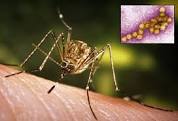
NPWTWest Nile Virus Infection- The purpose of this course is to prepare healthcare professionals to recognize the signs and symptoms of West Nile virus fever and diseases and to educate patients and the general public using evidence-based, up-to-date information about its symptoms, treatment, and prevention. Explain the mechanism of transmission of infections of West Nile virus. Describe the signs and symptoms of West Nile virus fever and diseases. Discuss the treatment of West Nile virus infections. Identify measures for the prevention of West Nile virus infections.

1.0  Free CEUs for Physical Therapists (not accredited for state of FL)

Parkinson's Disease

NPWTParkinson's Disease and Physical Therapy- More than 1 million people have Parkinson’s disease (PD), and by 2020 there may be 40 million more. The corpus striatum in the cerebral hemisphere, the subthalamic nucleus in the diencephalon, and the substantia nigra in the midbrain interconnect to form the basal ganglia. When the substantia nigra doesn’t produce enough dopamine, signs and symptoms of PD become apparent. Physical therapists need to be knowledgeable about this disease to execute treatment protocols designed to challenge specific deficits that affect overall performance of everyday activities. Explain the pathogenesis of PD. Identify common clinical manifestations/movement disorders in people with PD. Discuss tests and measures as well as treatment for patients with PD.

1.0 Free CEUs for Physical Therapists 

Free until 3/17/17

Gannett Education
leehealth_300

Arthritis and Depression: Increasing Awareness and Improving Care

NPWT Comorbidity of Arthritis and Depression in African/American, Caucasian and Hispanic/Latina Women: Increasing Awareness, Improving Care- Define health disparity in relation to arthritis, depression and associated comorbidities. Explain the pathophysiology, risk factors and interventions for osteoarthritis. Identify characteristics of depression, including prevalence, etiology, and provider diagnosis and treatment patterns. Compare the use of common screening tools for depression and behavioral health issues. Discuss the cultural beliefs of African Americans and Hispanic/Latinos with respect to seeking care for mental health issues. Describe the types of physical activity appropriate for those with arthritis, and how this mobility alleviates symptoms Delineate characteristics of a culturally competent healthcare practitioner, and steps that may be taken to improve care.

2.0  Free CEUs for Physical Therapists

Expires 5/2018

pfiedler_logo

The Impact of Musculoskeletal Disparities Related to Women

NPWT Musculoskeletal Disparities: African American, Caucasian, and Hispanic/Latina Women- An Overview for the Physical Therapist- Describe the impact of musculoskeletal diaparities related to women, African American and Hispanic/Latina women. Define obesity and its relationship to osteoarthritis in women, African American and Hispanic/Latina women. Identify factors that may account for disparities in the prevelance of obesity in women, African American and Hispanic/Latina women. Discuss the challenges facing healthcare providers in treating women with osteoarthritis in the healthcare setting. Delineate interventions the provider can implement with patients who have musculoskeletal disparities in an effort to promote health and increase quality of life.

2.0 Free CEUs for Physical Therapists

Expires 05/2018

  pfiedler_logo

Exercise and Physical Activity in Aging

NPWT Optimizing Physical Activity Among Physically Frail and Cognitively Impaired Older Adults- From the Exercise and Physical Activity in Aging Conference (ExPAAC): Blending Research and Practice - There are many factors that contribute to functional decline and decreased physical activity among frail and cognitively impaired older adults, particularly those that are institutionalized such as the type and amount of care provided by staff in these facilities, degree of cognitive impairment, mood, perceptions of health status, motivation, cultural expectations, environmental factors, coexisting disease states, pain, fear of falling, and beliefs about their abilities to engage in physical activity and in the benefit of this at activity at this late point in their lives. This presentation will provide tricks of the trade and describe successful interventions for increasing physical activity among individuals in long term care facilities and address the many benefits to these residents, the caregivers, and their families. Identify three barriers and three facilitators of function focused care among older adults. Describe three ways in which to optimally motivate frail older adults to engage in functional and physical activity.Describe two tools to evaluate the environment to optimize function and physical activity for frail older adults. Describe two tools to evaluate the environment to optimize function and physical activity for frail older adults. Describe the four components of the function focused care approach.

1.0 Free CEUs for Physical Therapists

apta logo

Documenting PT Assistant Student Performance

NPWTDocumenting Student Performance with the Physical Therapist Assistant Clinical Performance Instrument- This online course provides a standardized training program designed to educate physical therapist assistant students, Clinical Instructors (CIs), Center Coordinators of Clinical Education (CCCEs), and Academic Coordinators of Clinical Education/Directors of Clinical Education (ACCEs/DCEs) about the appropriate, valid, and reliable use of the APTA Physical Therapist Assistant Clinical Performance Instrument (PTA CPI): Version 2010. Identify the components of the PTA CPI and their correct application. Use the PTA CPI to evaluate and document physical therapist assistant student clinical performance accurately. Appropriately adhere to the copyright laws that govern the use of the PTA CPI.

3.0 Free CEUs for Physical Therapists

apta logo

HIV Basics

HIVHIV/AIDS Treatment- The purpose of this course is to prepare healthcare professionals to care for people with HIV/AIDS based on a review of HIV clinical manifestations and treatment. Identify the clinical stages of HIV. Discuss AIDS-defining conditions. Describe elements of antiretroviral therapy (ART). Summarize which coinfections are common among patients with HIV.


1.0 Free CEUs for Physical Therapists

Expires 3/1/17
Wild Iris Medical Education

Strategies in Optimal Application and Management of Negative-Pressure Wound Therapy

NPWTIncision Management: Strategies in the Optimal Application and Management of Negative Pressure Wound Therapy (NPWT)- Describe principles of NPWT in incision management and the mechanism of action. Identify patients who are candidates for incision management with NPWT. Implement evidence based practices in NPWT application and management.

1.0  Free CEUs for Physical Therapists

Expires 4/29/18

PIMLogo  cmeology_logo  
  FreeCME.com

Zika Virus Disease

NPWT Zika Virus (ZIKV)- Zika fever is a mosquito-borne illness that in humans can cause fever, malaise, and cutaneous rash. Zika virus (ZIKV) was first isolated in Uganda in 1947 and has since spread from the continent of Africa to many other areas of the world, including Oceania, and South and Central America. This course describes how the Zika virus is transmitted via the Aedes aegypti mosquito as well as clinical signs and symptoms, diagnosis, treatment, and prevention. Outline the historical emergence of Zika virus from Africa to the Americas. Explain the way in which the Aedes aegypti mosquito transmits the Zika virus. Describe the usual clinical signs and symptoms of Zika viral infection. Relate the factors involved in the preliminary diagnosis of Zika viral disease. Describe how Zika infection is confirmed biologically in humans. Discuss the usual treatment options for a person infected with Zika virus. Outline several prevention measures currently in use to combat the spread of Zika virus.

2.0  Free CEUs for Physical Therapists

atrain

8.0 Free Contact Hours- Managment of the Neuropathic Foot

NPWT Comprehensive Management of the Neuropathic Foot- The well-known seminar “The Carville Approach to Management of the Neuropathic Foot” has been modified for online instruction. The material presented includes principles and protocols that are time tested and proven effective for prevention of amputation in the lower extremity due to neuropathy. These six modules provide the background theory as well as practical evaluation and treatment tools applicable for immediate implementation in the clinic. This course is recommended for health professionals working with patients having lower extremity neuropathy. This course will enable the health care provider to assess and treat the neuropathic foot and evaluate protocols (or treatment options). It is also designed to reduce injuries and amputations associated with lower extremity neuropathy. Understand the characteristics of lower extremity diabetic neuropathy. Identify the etiology and mechanical process of ulceration. List the five elements of the LEAP program. Assign a patient into a risk category based on evaluation results. Formulate an appropriate management plan according to risk category. Describe orthotic and footwear appliances used to reduce foot pressure.

6.0 Free CEUs for Physical Therapists

hhs-logo-500px

How to Use the CDC's STEADI Fall Risk Toolkit

NPWTWhat’s All the Fuss Over Falls?- Each year, millions of older adults fall, and many sustain life-changing injuries. Physical therapists are perfectly poised to take lead on the public health team in fall prevention. Use and dissemination of simple, evidence-based, user-friendly tools empower PTs and all healthcare practitioners, public health staff, and caregivers to proactively identify those older adults at heightened risk for falling BEFORE the first fall. This program will teach physical therapists how and when to use the CDC's STEADI fall risk toolkit, as well as how to skillfully interpret the results for each individual tested. This is the first step in a comprehensive fall prevention program, utilizing evidence-based tools to augment your PT practice and prevent that first fall! Knowledgeably discuss the epidemiology and prevalence of falls among community-dwelling older adults in the U.S. Understand that fall risk is multifactorial and that some risks are modifiable. Objectively screen for fall risk in community-dwelling older adults. Interpret the results of the fall risk screening measures presented. Develop an effective action plan for abatement of an individual's fall risk. Institute an evidence-based fall risk screening program in a medical and/or community setting.

2.0 Free CEUs for Physical Therapists

MedlineLogo-new

Preventing Health Care Fraud, Waste, and Abuse

lawPreventing Fraud, Abuse, and Waste: A Primer for Physical Therapists- The federal government and other payers have enacted laws, written regulations, and introduced policies to crack down on the prevalence of health care fraud, abuse, and waste. While the vast majority of physical therapists provide patients with appropriate services and submit proper claims for payment with accurate information, the payment system and regulatory environment is complex and lack of knowledge can put therapists at risk for billing errors that could be considered fraud, waste, or abuse. This self-directed reading course explains the difference between fraud, waste, and abuse and provides the information necessary to comply with relevant laws and regulations that affect payment. Topics covered include laws governing a PTs relationships with payers, referral sources, and patients, evidence-based practice and ethics/professionalism, and the basic elements of a compliance program. 1. Distinguish between fraud, abuse, and waste 2. Identify the 5 federal fraud and abuse laws important for physical therapists to know 3. Identify inappropriate billing, coding, and documentation practices 4. Identify improper relationships with physicians and other referral sources 5. Recall the 7 core elements that form the basis for developing a compliance program 6. 6. 6. Locate resources to help them take action if there is a problem.

1.0 Free CEUs for Physical Therapists

apta logo

Aquatic Physical Therapy

NPWTAquatic Physical Therapy Competency Course: Historical Perspective of Aquatic Physical Therapy- This course provides a historical overview of key periods, places and uses related to water as a therapeutic medium prior to the emergence of physical therapy. This course will introduce participants to the use of water as a therapeutic medium prior to the emergence of Modern Aquatic Therapy. The establishment of the Aquatic Physical Therapy Section will also be discussed. Describe use of water as a therapeutic medium in ancient times, middle ages, early spas and hydrotherapy in Europe and the United States. Identify key periods, places and uses related to water as a therapeutic medium in the earlier history of physical therapy Aquatic Physics. Identify physical principles of water as they relate to rehabilitation in the water. Apply the principles of aquatic physics to improve aquatic physical therapy interventions. Apply knowledge of aquatic principles to improve physical therapy outcomes.

1.0 Free CEUs for Physical Therapists

apta logo

Workforce Skills- Managing Conflict

Workforce Skills- Conflict Management -Any work situation involves juggling diverse tasks and interacting with a variety of different people. This course reviews the sources of potential conflict in the workplace along with effective conflict resolution strategies you can use to keep your work environment productive and professional.
Describe sources of potential conflict.
Identify the stages of conflict.
Recognize and use different approaches for handling conflict effectively.


1.0 Free CEUs for Physical Therapists

relias logo

Contemporary Techniques for Electrical Stimulation Modalities

esmElectrical Stimulation Modalities Describe the considerations, indications, contraindications, and precautions associated with electrical stimulation modalities. Relate proven and contemporary techniques for optimum TENS modality treatment that is research-based. Examine ways to apply contemporary techniques for optimum interferential Estim modality treatment that is research-based. Explain ways to apply proven and contemporary techniques for optimum Neuromuscular NMES modality treatment that is research-based.

2.0 Free CEUs for Physical Therapists
 Relias Academy

Adequate Carbs for Excercising

Fueling for Exercise and Recovery-How to Optimize Carbohydrate Intake- Athletes continually seek strategies to improve performance, but not all methods are safe or effective. Adequate carbohydrate stores (muscle and liver glycogen and blood glucose) are critical for optimum athletic performance during intermittent high-intensity work and prolonged endurance exercise. Fueling with adequate carbohydrates before, during and after endurance events can enhance performance in endurance and ultra-endurance events. Recent research reveals that using multiple carbohydrate sources compared to a single source allows for a greater use of carbohydrate in events lasting more than three hours. Nutritional strategies that enhance carbohydrate availability before, during and after exercise can improve an athlete’s performance. Identify an appropriate carbohydrate intake regimen as well as the rationale for using it before, during and after exercise based on a variety of factors, including body weight and type, and duration and intensity of activity being performed. Describe the effectiveness of various forms and sources of carbohydrate, including usefulness of the glycemic index. Discuss the effectiveness of other substrates on exercise performance, such as low-carb, high-fat and high-protein regimens.

1.0 Free CEUs for Physical Therapists

Free until  5/5/16
Gannett Education
coke logo

3 Free CEUs for Physical Therapists- Understanding the Complications, Medications, & Management of Diabetes

Diabetes-PicDiabetes and the Implications for the Physical Therapist- Diabetes occurs in 25 million people in this country; seven million people unaware that they have it. Complications of diabetes can be deadly, and proper diagnosis and management are crucial. Physical therapists in homecare, inpatient, and outpatient services will increasingly encounter patients with this disease. Proper understanding of complications, medications, and management is crucial in providing patient care.
1. Type 1 and type 2 diabetes: their definition and their differences. 2. Proper diagnosis of type 1 and type 2 diabetes and monitoring of patients.
3. Disease states associated with diabetes.
4. Diabetes medications and side effects, as well as non-drug therapy.
5. Safe performance of physical therapy to patients with diabetes.

3.0 Free CEUs for Physical Therapists

pt-logo

Rehab Techniques for the Shoulder

shoulderPart I of XII- Diagnosis & Treatment of the Upper and Lower Quadrant- List and summarize the principles of rehabilitation. Describe rehabilitation techniques for the shoulder. Summarize Mobilization with Movement techniques for the shoulder.

1.0 Free CEUs for Physical Therapists

Understanding Complex Regional Pain Syndrome

crpsComplex Regional Pain Syndrome List all of the criteria required to establish work-relatedness for an occupational disease. Describe the risk factors that may help prevent Complex Regional Pain Syndrome (CRPS). Understand the symptoms and signs of CRPS. Explain the treatment plan for patients with CRPS.

1.0 Free CEUs for Physical Therapists
FlexCEUs

Biofeedback

Biofeedback- The term biofeedback came about in the 1960s largely through the studies of Neal Miller. In 1969, the Biofeedback Research Society (now known as the Applied Association for Psychophysiology and Biofeedback) was formed to unify the new field. Healthcare professionals across disciplines may find it helpful to include biofeedback in their treatment repertoire, especially when treating those with chronic pain or other lifestyle disorders. Stress assessment and teaching relaxation techniques are often important steps toward helping these patients. There are many methods of biofeedback, including heart-rate variability, surface electromyography, skin temperature, skin conductance and electroencephalography. Common ailments treated with some efficacy using biofeedback include chronic pain/headache, anxiety, ADHD, hypertension, seizure disorders, and urinary incontinence. Explain the correlation between stress and illness, as well as relaxation techniques for stress management. Describe the basic set-up and application of the most common methods of biofeedback. Identify three common ailments treated using biofeedback.

1.0 Free CEUs for Physical Therapists

Free until 10/20/15 Gannet Healthcare Education

coke logo